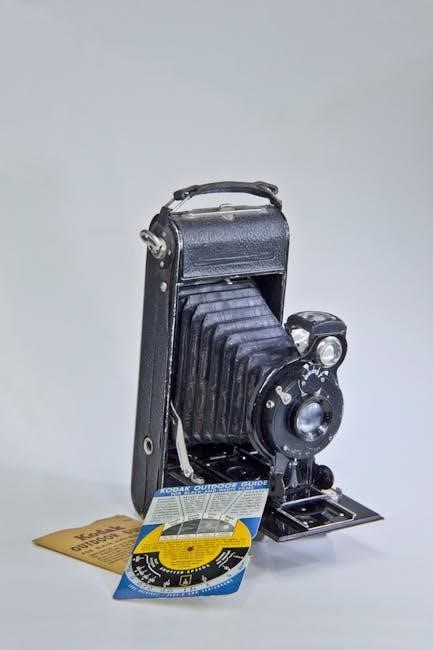
Delving into Kodak 35 repair requires a dedicated service manual, offering crucial diagrams and instructions․ These resources, available from Learn Camera Repair, aid restoration efforts․
Overview of the Kodak 35 Camera Series
The Kodak 35 series, encompassing models like the original 35, 35F, and 35RF, represents a significant era of compact 35mm photography․ These cameras, known for their simplicity and reliability, gained popularity for casual use․ The 35F introduced a built-in flash, while the 35RF boasted a rangefinder for improved focusing accuracy․ Understanding each model’s nuances is vital when utilizing a service manual for effective repair and maintenance, ensuring these classic cameras continue to function optimally․
Importance of a Service Manual for Repair
A Kodak 35 service manual is indispensable for successful repairs, providing detailed exploded views and parts lists․ These manuals, sourced from sites like Learn Camera Repair, guide technicians through disassembly, troubleshooting, and reassembly․ Without precise instructions, attempting repairs risks further damage․ Access to these resources, even reprinted versions, significantly increases the likelihood of restoring functionality to these vintage cameras, preserving their legacy․
Understanding the Kodak 35 Models
The Kodak 35 series includes original, ‘F’ (with flash), and rangefinder (RF) versions; service needs vary by model, demanding specific manual references for accurate repair․
Kodak 35 Original
The initial Kodak 35, a popular 35mm rangefinder, benefits greatly from a dedicated service manual for successful maintenance․ Repairing this model involves understanding its core mechanics – film advance, shutter operation, and basic light meter functionality․ Accessing exploded diagrams and parts lists, as offered by resources like Learn Camera Repair, is essential for identifying components and performing accurate repairs․ A manual guides technicians through disassembly, cleaning, lubrication, and reassembly, ensuring the camera’s original functionality is restored․
Kodak 35F – Key Differences
The Kodak 35F distinguishes itself with a built-in flash unit, a significant alteration from the original 35․ However, the core camera mechanics remain largely consistent, meaning the service manual for the standard 35 often applies․ Repair instructions, particularly those concerning the shutter and film advance, are frequently interchangeable․ Technicians should focus on the flash unit’s specific wiring and troubleshooting when utilizing a shared service manual, as detailed by resources like eBay listings․
Kodak 35 RF (Rangefinder) – Features and Variations
The Kodak 35 RF introduces a rangefinder focusing system, demanding specialized repair knowledge․ Learn Camera Repair offers both a factory service manual and a US Military repair manual specifically for this model․ These resources detail rangefinder adjustment and focusing mechanism troubleshooting․ Parts lists and exploded diagrams are essential for identifying unique RF components, differing significantly from the simpler 35 and 35F models․
Accessing the Kodak 35 Service Manual
Locating manuals involves exploring Learn Camera Repair for original, reprinted, or digital versions․ Download costs are currently $3․23 per file, as of today’s date․
Where to Find Original Manuals
Sourcing original Kodak 35 service manuals presents a challenge, as they are becoming increasingly rare․ Online auction sites like eBay occasionally list them, but prices can fluctuate significantly․ Dedicated camera repair websites, such as Learn Camera Repair, sometimes acquire and offer these vintage manuals․ Expect to invest considerable time and effort in the search, potentially encountering incomplete or damaged copies․ Patience and diligent searching are key to uncovering a genuine, original resource for your Kodak 35 restoration project․
Reprinted and Digital Versions
Fortunately, reprinted and digital Kodak 35 service manuals offer accessible alternatives to scarce originals․ Learn Camera Repair provides downloadable digital versions, currently priced at $3․23 per file as of April 29, 2026․ eBay also lists reprinted manuals, typically around 43 pages, in a convenient 8․5×11 format․ These options provide cost-effective and readily available resources for repair and maintenance, though original quality may vary․
Cost Considerations for Manuals (as of 04/29/2026)
As of today, April 29, 2026, accessing Kodak 35 service manuals involves varying costs․ Learn Camera Repair charges $3․23 for each downloadable file, excluding tutorials from their Facebook group at $1․25․ eBay offers reprinted manuals, though pricing fluctuates based on seller and condition․ Original manuals, if found, command a premium, potentially exceeding these digital reprint costs significantly, depending on rarity and condition․
Essential Tools for Kodak 35 Repair
Successful Kodak 35 restoration demands specific screwdrivers, specialized camera tools, and appropriate cleaning/lubricating supplies for delicate internal components․
Screwdriver Sets – Specific Sizes Needed

Precise disassembly and reassembly of the Kodak 35 necessitate a high-quality screwdriver set․ Commonly required sizes include small flathead and Phillips head screwdrivers, often in the 00 to 0 sizes․ Japanese industrial screwdrivers are frequently recommended for their durability and precise fit, minimizing the risk of stripping delicate screws within the camera’s mechanism․ Having a variety ensures compatibility across different models and components, preventing damage during repair procedures․
Specialized Camera Repair Tools
Beyond standard screwdrivers, Kodak 35 repair benefits from specialized tools․ These include spanner wrenches for lens disassembly, fine tweezers for handling small parts, and a spring hook to retrieve dropped components․ A focusing screen spanner is vital for rangefinder models․ Plastic spudgers prevent damage when prying, and a light meter adjustment tool ensures accurate exposure readings post-repair․ Investing in these tools streamlines the process․
Cleaning Supplies and Lubricants
Maintaining the Kodak 35 necessitates appropriate cleaning and lubrication․ Use isopropyl alcohol (90%+) for gentle cleaning of internal parts, avoiding harsh chemicals․ For lubrication, naphtha-based clock oil is recommended for moving parts, while silicone grease suits light seals․ Microfiber cloths prevent scratches․ Always apply lubricants sparingly to avoid gumming and ensure smooth operation of the camera’s mechanisms․
Disassembly of the Kodak 35
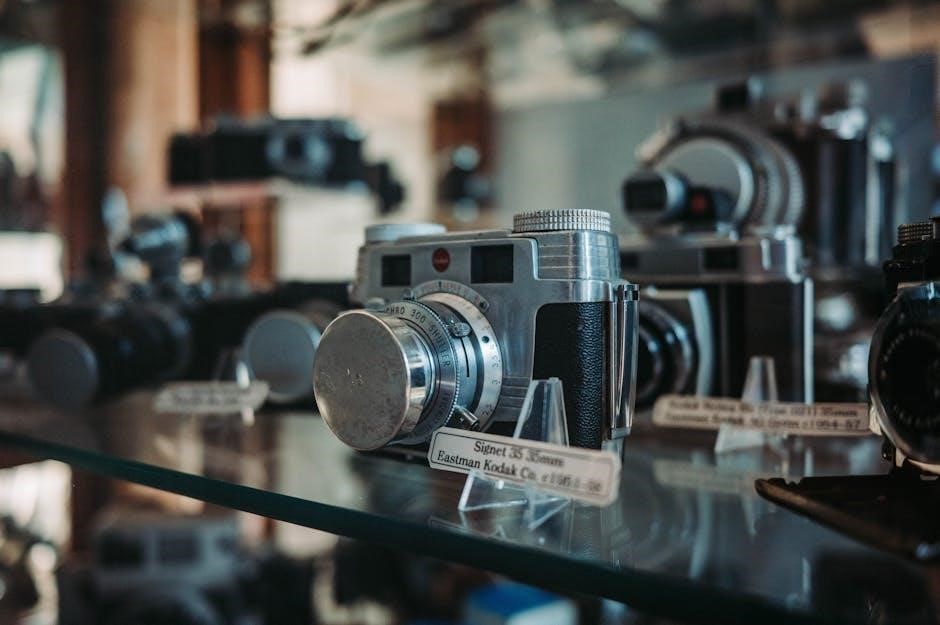
Careful disassembly is key to Kodak 35 repair, starting with the back cover removal․ The service manual guides lens and film advance mechanism procedures․
Removing the Back Cover
Initiating disassembly involves carefully removing the Kodak 35’s back cover․ The service manual details specific screw locations and release mechanisms to avoid damage․ Gentle pressure and the correct screwdriver size are essential․ Be mindful of any attached wires or components connected to the back cover assembly․ Documenting screw positions during removal aids reassembly, ensuring a smooth and accurate restoration process․ Prioritize a methodical approach for optimal results․
Lens Removal Procedures
Proceeding with lens removal demands precision, guided by the Kodak 35 service manual’s detailed instructions․ Identify and carefully loosen the retaining screws securing the lens assembly․ Support the lens during removal to prevent accidental drops or damage․ Note the position of any shims or spacers․ A specialized lens spanner may be required for certain models, ensuring a secure and controlled detachment process․
Film Advance Mechanism Disassembly
Disassembling the film advance necessitates a methodical approach, referencing the Kodak 35 service manual’s exploded views․ Begin by releasing tension on the mainspring, exercising extreme caution․ Carefully remove the advance lever, counter, and associated gears․ Document the order and orientation of each component for reassembly․ Note any worn or damaged parts requiring replacement during this process․
Repairing Common Kodak 35 Issues
Addressing typical problems – film advance or shutter malfunctions – relies on the service manual’s detailed troubleshooting guides and diagrams for effective solutions․
Film Advance Problems
Troubleshooting film advance issues often involves inspecting the mechanism for obstructions or worn components․ The Kodak 35 service manual provides exploded views, illustrating the intricate interplay of gears and levers․ Common causes include dried lubricant hindering smooth operation, or a damaged film advance pawl․ Careful disassembly, guided by the manual, allows for cleaning, lubrication, and replacement of faulty parts, restoring proper film transport․ Referencing the parts list ensures correct component identification during repair․

Shutter Malfunctions
Addressing shutter issues within the Kodak 35 necessitates a detailed understanding of its mechanics, readily available in the service manual․ Common problems include sticky shutter curtains or a malfunctioning shutter speed mechanism․ The manual’s diagrams are essential for careful disassembly and cleaning․ Inspect the shutter blades for damage and ensure proper lubrication․ Correct timing and synchronization are crucial; the manual guides calibration procedures for accurate exposure control․
Light Meter Calibration
Accurate light metering is vital for proper exposure, and the Kodak 35 service manual provides calibration instructions․ A malfunctioning light meter results in incorrect aperture or shutter speed settings․ The manual details procedures for checking the meter’s response to known light levels, often using a calibrated light source; Adjustments may involve potentiometers within the camera’s circuitry, requiring careful manipulation․
Kodak 35 RF Specific Repairs
Rangefinder and focusing mechanisms demand specialized attention; the Kodak 35 RF service manual, alongside the US Military manual, details unique adjustment procedures․
Rangefinder Adjustment
Precise rangefinder alignment is critical for sharp focus with the Kodak 35 RF․ The service manual provides detailed steps for adjusting the rangefinder mirrors and prisms, ensuring accurate coupling with the focusing mechanism․ Misalignment results in consistently inaccurate focusing distances․ Careful calibration, using distant targets, is essential․ The US Military repair manual may offer supplementary guidance on this delicate process, particularly concerning field adjustments and tolerances․
Focusing Mechanism Issues
Addressing focusing problems in the Kodak 35 RF often involves inspecting the lens mount for looseness or damage․ The service manual details disassembly for cleaning and lubrication of the helical threads․ Stiff or gritty focusing indicates dried lubricants, requiring careful removal and replacement․ Check for bent or damaged components within the focusing track, impacting smooth operation․

Parts and Diagrams
Locating replacement parts for the Kodak 35 relies on detailed parts lists and exploded view diagrams, readily available through resources like Learn Camera Repair․
Locating Replacement Parts
Finding original components for Kodak 35 cameras can be challenging, but not impossible․ Learn Camera Repair serves as a central hub, often listing available parts․ eBay is another potential source, with sellers frequently offering salvaged parts from donor cameras․ Identifying the correct part number, using the service manual’s diagrams, is absolutely critical for a successful repair․ Patience and diligent searching are key to restoring these classic cameras to their former glory․
Understanding Exploded View Diagrams
Exploded views within the Kodak 35 service manual are invaluable for disassembly and reassembly․ These diagrams illustrate each component’s precise location and relationship to others․ Carefully studying these views before starting any repair is essential․ The parts list numbers correspond directly to the diagram, aiding identification․ Understanding these visuals minimizes errors and ensures a smooth restoration process, preventing lost or misplaced pieces․
Identifying Parts List Numbers
Accurate part identification relies on the Kodak 35 service manual’s parts list numbers․ These unique identifiers correspond directly to components shown in exploded view diagrams․ When ordering replacements, always use these numbers to ensure compatibility․ Incorrect parts can cause further issues․ Learn Camera Repair provides access to these crucial lists, streamlining the repair process and guaranteeing correct component sourcing․
Electrical Components & Troubleshooting
Addressing electrical faults in the Kodak 35 demands careful wiring diagram analysis and battery compartment inspection, as detailed in service manuals․
Battery Compartment Repair
Corrosion within the battery compartment is a frequent issue affecting the Kodak 35’s electrical functionality․ Service manuals emphasize meticulous cleaning with appropriate solutions to remove oxidation․ Inspect battery terminals for damage and replace if necessary, ensuring proper contact․ Careful attention to wiring connections within the compartment is vital, referencing diagrams for correct placement․ A functioning battery compartment guarantees reliable operation of the camera’s electrical systems․
Wiring Diagram Analysis
Decoding the Kodak 35’s wiring diagrams is essential for troubleshooting electrical faults․ Service manuals provide detailed schematics illustrating component connections and circuit paths․ Understanding these diagrams allows for tracing shorts, breaks, or incorrect wiring․ Careful comparison with the physical camera is crucial for accurate diagnosis and repair․ Proper identification of wire colors and terminal locations is paramount for successful restoration․
Flash Unit (35F) Troubleshooting
Addressing flash issues on the Kodak 35F often involves checking the battery compartment for corrosion and ensuring proper contact․ Service manuals detail the flash circuit, aiding in diagnosing firing problems or dim output․ Inspect wiring connections to the flash unit and test the flashbulb socket․ A faulty capacitor can also cause malfunctions, requiring replacement for optimal performance․
Maintenance and Lubrication
Regular upkeep extends the Kodak 35’s life; cleaning the lens and applying appropriate lubricants are vital․ Service manuals recommend specific products for optimal camera function․
Recommended Lubricants
Selecting the correct lubricant is paramount for a Kodak 35’s longevity․ Service manuals often suggest specific light machine oils or silicone-based greases for gears and moving parts․ Avoid heavy oils that attract dust․
NPK Photonics’ “Lubriplate” is frequently mentioned within repair communities as a suitable option․ Careful application, using a pinpoint applicator, prevents over-lubrication and potential damage․ Regular re-application, guided by the service manual’s schedule, ensures smooth operation․
Cleaning the Lens and Viewfinder
Maintaining optical clarity is essential for accurate photography with the Kodak 35․ Use a soft, lint-free cloth and dedicated lens cleaning solution – avoid harsh chemicals․ Gently wipe the lens in a circular motion, starting from the center․
For the viewfinder, a blower brush can remove loose dust․ Stubborn smudges require a slightly dampened cloth․ Inspect both regularly, as accumulated dirt impacts image quality and overall camera performance, ensuring optimal results․
Preventative Maintenance Schedule
Regular upkeep extends the Kodak 35’s lifespan․ Every six months, inspect the battery compartment for corrosion and clean if necessary․ Annually, lubricate moving parts with recommended lubricants to ensure smooth operation․
Check the film advance mechanism and shutter for proper function․ A consistent cleaning schedule, combined with careful handling, minimizes potential issues and preserves the camera’s reliability for years to come․
US Military Repair Manual (Kodak 35 RF)
A specialized US Military manual exists for the Kodak 35 RF, offering unique insights and repair procedures beyond the standard service documentation․
Availability and Content
The US Military repair manual for the Kodak 35 RF, while less common than the standard service manual, is available through resources like Learn Camera Repair․ It supplements the factory manual with detailed procedures potentially tailored for field maintenance․ Content focuses on robust repair techniques, likely emphasizing durability and functionality under challenging conditions, offering a unique perspective on the camera’s internal workings and potential failure points․
Differences from Standard Service Manual
The US Military Kodak 35 RF manual diverges from the standard version by prioritizing practical, field-expedient repairs․ Expect a focus on component-level troubleshooting and potentially simplified procedures for maintaining operability in austere environments․ While the factory manual details comprehensive service, the military version likely emphasizes essential repairs, reflecting a need for quick restoration and continued functionality under demanding circumstances․
Resources and Communities
Online forums and the Learn Camera Repair Facebook Group provide invaluable support, shared knowledge, and assistance for Kodak 35 restoration projects․
Learn Camera Repair Facebook Group
The Learn Camera Repair Facebook Group is a vibrant online community dedicated to film camera restoration․ Members actively share experiences, troubleshooting tips, and valuable resources specifically for cameras like the Kodak 35․ Tutorials created by group members are available for a nominal fee of $1․25, offering focused guidance․ This collaborative environment fosters learning and provides direct access to experienced repair enthusiasts, making it an excellent resource for Kodak 35 owners seeking assistance․
Online Forums and Websites
Beyond Facebook, numerous online forums and websites cater to classic camera repair․ These platforms host extensive archives of information, including repair guides, parts sourcing advice, and discussions specific to the Kodak 35 series․ Enthusiasts frequently share their restoration projects and offer solutions to common issues․ Dedicated camera repair websites often provide detailed resources and links to relevant communities, supplementing the service manual’s guidance․
Safety Precautions During Repair
Exercise caution when handling delicate components and avoid electrical shock․ Disconnect power sources before working on electrical parts within the Kodak 35․
Handling Sensitive Components
Kodak 35 cameras contain fragile parts like the film advance mechanism and light meter components․ Gentle handling is paramount during disassembly and reassembly to prevent damage․ Avoid excessive force when separating pieces, and always support components while manipulating them․ Static discharge can harm electrical parts; grounding yourself is advisable․ Careful observation and methodical work are key to preserving the camera’s functionality and originality during the repair process․
Avoiding Electrical Shock
Although vintage, Kodak 35 cameras can still present electrical hazards, particularly when dealing with the flash unit (35F) or battery compartment․ Always disconnect the battery before commencing any work․ Never probe live circuits without proper insulation and knowledge․ Be cautious of capacitors that may retain a charge, even when power is off․ Prioritize safety to prevent injury during the repair process․
Successfully restoring a Kodak 35, guided by a service manual from resources like Learn Camera Repair, is a rewarding experience․ Access to parts lists, diagrams, and repair procedures empowers enthusiasts․ Careful disassembly, meticulous cleaning, and proper lubrication breathe new life into these classic cameras, preserving photographic history for generations to come․