
What is an Instructional Aide? A Comprehensive Guide (Updated 02/02/2026)
Instructional aides are essential assistants in education, supporting teachers and students by implementing lesson plans, maintaining classroom order, and providing individualized help.
Instructional aides play a vital, multifaceted role within the educational system, functioning as crucial support staff to lead teachers and directly impacting student learning. Often considered a gateway into the teaching profession, this position offers valuable experience and a realistic preview of classroom dynamics. Today, February 2nd, 2026, the demand for these roles remains strong, though often characterized by fluctuating contracts dependent on funding availability.
Essentially, an instructional aide acts as an assistant teacher, working with both individual students and small groups. Responsibilities range from assisting with grading and preparing materials to providing one-on-one support during lessons and managing classroom duties. They are frequently tasked with running errands, making copies, and attending staff meetings, contributing to the overall smooth operation of the school day. The role, while sometimes ill-defined due to staffing challenges, is incredibly rewarding for those passionate about education.
The Core Responsibilities of an Instructional Aide
Instructional aides shoulder a diverse set of responsibilities centered around supporting both teachers and students. A primary function involves meticulously following a teacher’s directions to effectively implement lesson plans and ensure cohesive instructional efforts. Maintaining a positive and productive learning environment through classroom management and supervision is also key.
Beyond this, aides actively prepare and organize teaching materials, assist with grading assignments, and provide direct support to students – whether through group instruction, one-on-one tutoring, or facilitating activities like role-playing. Monitoring student behavior and offering assistance with assignments to reinforce concepts are crucial. They may also be responsible for presenting subject matter, and performing complex technical work as needed. Furthermore, aides often fulfill additional campus duties before/after school or during breaks, and consistent attendance at staff meetings is expected.
Working Directly with Students
Instructional aides frequently engage with students in various capacities, providing crucial individualized support. This often involves working with small groups, offering targeted assistance to those needing extra help during classroom instruction. Aides circulate, proactively identifying students struggling with concepts and offering clarification or re-teaching.
They assist students with assignments, reinforcing lessons and ensuring comprehension. Monitoring student behavior and providing positive encouragement are also key aspects of this role. Aides may also help students navigate classroom activities, promoting participation and engagement. Presenting subject matter through demonstrations or discussions falls within their purview, as does assisting with practical applications of learned material. Ultimately, the aide’s direct interaction fosters a supportive learning environment, contributing significantly to student success.
Assisting the Lead Teacher
Instructional aides are integral to a teacher’s success, providing essential support that allows educators to focus on instruction. A significant portion of their role involves following the teacher’s specific directions to effectively implement lesson plans and coordinate instructional efforts. This includes preparing, distributing, and demonstrating necessary equipment and materials for lessons.
Aides frequently handle administrative tasks such as grading papers, making copies, and running errands around the campus, freeing up the teacher’s time; They also contribute to classroom preparation, organizing materials and setting up learning stations. Furthermore, aides are expected to attend staff meetings, staying informed about school-wide initiatives and contributing to collaborative planning. This collaborative partnership ensures a smooth and efficient learning experience for all students.
Classroom Management Support
Instructional aides play a crucial role in maintaining a positive and productive learning environment through effective classroom management. This involves assisting the lead teacher in upholding order and discipline both within the classroom and on school grounds, ensuring a safe space for learning. Aides actively monitor student behavior, intervening when necessary to redirect disruptive actions and encourage positive interactions.
They also provide support by assisting students with assignments, reinforcing subject matter concepts, and addressing individual behavioral needs. This proactive approach helps prevent disruptions and allows the teacher to focus on delivering instruction. Aides may also be responsible for supervising students during various activities, such as recess, lunch, or before/after school duties, further contributing to a well-managed school day.

Qualifications and Skills Needed
Successful instructional aides typically require minimal formal education, though specific skills – both hard and soft – are vital for effectively supporting teachers and students.
Educational Requirements for Instructional Aides
Generally, the educational requirements to become an instructional aide are relatively accessible, making it a viable entry point into the education field. While a four-year college degree isn’t typically mandated, most positions require at least a high school diploma or its equivalent, such as a GED.
However, specific requirements can vary significantly based on the school district, state regulations, and the specific role. Some districts may prefer candidates with some college coursework, particularly in education or a related field. Increasingly, completion of ParaPro Assessment tests demonstrating basic skills in reading, writing, and math is becoming a standard requirement.

Furthermore, specialized positions, like those supporting special education, might necessitate additional training or certifications related to working with students with disabilities. Ongoing professional development is often encouraged, and sometimes required, to maintain skills and stay current with best practices in education.
Essential Soft Skills for Success
Beyond formal qualifications, a successful instructional aide possesses a robust set of soft skills. Patience is paramount, as you’ll be working with diverse learners at varying paces. Strong communication skills are vital – effectively conveying information to students, teachers, and parents is crucial.
Adaptability is key, given the often-ill-defined nature of the role and the constant influx of new challenges. A proactive attitude and willingness to assist wherever needed are highly valued. Empathy and the ability to connect with students on an individual level foster a positive learning environment.
Organizational skills are essential for managing materials and assisting with classroom tasks. Finally, a collaborative spirit and a positive demeanor contribute to a harmonious working relationship with the entire school staff.
Technical Skills – Preparing Materials
While not always requiring advanced expertise, instructional aides benefit from a range of technical skills. Proficiency in basic office software – word processing, spreadsheets, and presentation tools – is frequently needed for creating and modifying teaching materials. Photocopying and operating other standard office equipment are daily tasks.
The ability to quickly learn and utilize new educational software or online platforms is increasingly important. Aides often assist with preparing visual aids, laminating materials, and organizing classroom resources. Familiarity with creating simple charts, graphs, or displays can be beneficial.
Depending on the role, some technical aptitude for assisting with audio-visual equipment or basic computer troubleshooting may be required. Essentially, the ability to efficiently prepare and organize materials supports the teacher and enhances the learning experience.

Types of Instructional Aide Positions
Instructional aide roles vary, encompassing general classroom support, specialized assistance for students with disabilities, and dedicated support for bilingual or ESL learners.
General Classroom Aides
General classroom aides represent the most common type of instructional aide position, providing broad support to the lead teacher across various classroom activities. Their duties are incredibly versatile, often involving working with small groups of students to reinforce concepts introduced during whole-class instruction. A significant portion of their time is dedicated to assisting the teacher with administrative tasks, such as grading papers and preparing materials like worksheets or presentations.

Furthermore, these aides actively circulate during classroom instruction, offering one-on-one assistance to students who are struggling or need clarification. They also handle essential tasks like making copies, organizing classroom supplies, and running errands around the school campus. It’s common for general classroom aides to be assigned additional duties, such as supervising students during recess, lunch, or before/after school programs, and consistent attendance at staff meetings is generally required to stay informed about school-wide initiatives and classroom progress.
Special Education Aides
Special education aides play a crucial role in supporting students with diverse learning needs, working closely with both the special education teacher and individual students to facilitate their academic and personal growth. Their responsibilities often extend beyond typical classroom assistance, requiring a deeper understanding of individualized education programs (IEPs) and the specific accommodations outlined within them.
These aides assist in implementing IEP goals, providing one-on-one tutoring, and modifying assignments to meet each student’s unique requirements. They may also help with behavioral interventions, social skills training, and the use of assistive technology. Maintaining a supportive and inclusive classroom environment is paramount, and special education aides often collaborate with therapists and other professionals to ensure a holistic approach to student support. This position frequently demands patience, empathy, and a commitment to advocating for the needs of students with disabilities.
Bilingual/ESL Instructional Aides
Bilingual or ESL (English as a Second Language) instructional aides are vital in bridging communication gaps and fostering inclusivity for students who are learning English. They provide crucial support by translating materials, interpreting during parent-teacher conferences, and offering direct assistance to students struggling with language barriers. Their role extends beyond simple translation; they act as cultural liaisons, helping to create a welcoming and understanding classroom environment.
These aides often work with small groups of ESL students, providing targeted instruction in English language development. They may also assist the teacher in adapting lessons to meet the diverse linguistic needs of the classroom. Proficiency in both English and another language is essential, alongside a sensitivity to cultural differences and a dedication to helping students succeed academically and socially. They are instrumental in ensuring all students have equal access to education.

The Daily Life of an Instructional Aide
Daily routines involve assisting teachers with tasks like grading, preparing materials, supporting students, managing classroom duties, and consistently attending staff meetings.
Typical Daily Tasks and Routines
An instructional aide’s day is remarkably varied, centered around supporting the lead teacher and ensuring a productive learning environment. Routinely, aides will work with small groups of students, providing focused assistance and reinforcing concepts presented during whole-class instruction. A significant portion of the day often involves assisting with administrative tasks, such as grading papers, photocopying materials, and organizing classroom resources.
Furthermore, aides frequently circulate during lessons, offering one-on-one support to students who are struggling or need clarification. They may also be responsible for running errands around the school campus, like delivering materials to other classrooms or picking up supplies. Beyond instructional support, aides often have assigned duties, potentially including supervision during recess, lunch, or before/after school care. Consistent attendance at staff meetings is also a key component, ensuring alignment with school-wide goals and procedures. The role demands flexibility and a proactive approach to addressing the evolving needs of the classroom.
Navigating Classroom Dynamics
Instructional aides quickly learn to adapt to the ever-changing dynamics within a classroom. Staffing shortages often mean being readily available to tackle unexpected challenges and frequently, the role isn’t clearly defined, requiring initiative and problem-solving skills. Aides must be adept at maintaining order and discipline, assisting with behavior management strategies as directed by the teacher.
Building rapport with students is crucial, fostering a positive and supportive learning atmosphere. Understanding individual student needs – whether academic or behavioral – is paramount. Aides must also navigate interactions with diverse personalities, both students and staff, requiring strong interpersonal skills and emotional intelligence. The ability to remain flexible and adjust to shifting priorities is essential, as classroom needs can change rapidly throughout the day. Successfully navigating these dynamics contributes significantly to a well-managed and effective learning environment.
Dealing with Staff Meetings and Duties
Instructional aides are integral members of the school team, and participation in staff meetings is generally required. These meetings provide valuable insights into school-wide initiatives, curriculum updates, and student progress, fostering collaboration and communication. Beyond classroom support, aides often fulfill additional duties, which can include supervising students before or after school, during lunch or recess, or assisting with campus errands like making copies.
These extra responsibilities contribute to the smooth operation of the school. While the workload can be demanding, these duties offer opportunities to build relationships with students outside of the classroom setting. Contractual agreements regarding these duties can sometimes be fluid due to funding uncertainties, so clear communication with school administration is vital. Aides should anticipate a commitment beyond direct instructional support, embracing these additional tasks as part of their role.

Compensation and Job Outlook
Instructional aide positions typically offer an hourly rate considered reasonable given the minimal qualifications needed, though contracts can be unstable due to funding.
Average Hourly Rates and Salary Expectations
Determining a precise average hourly rate for instructional aides proves challenging, as compensation varies significantly based on location, school district, level of education required, and specific job duties. However, considering the generally limited qualifications needed for entry-level positions, the hourly rate is often perceived as acceptable. Many aides find the pay sufficient, especially when viewed as a stepping stone towards a full teaching career.
While a definitive national average is elusive, rates generally fall within the range of $13 to $20 per hour. Experienced aides, or those working in districts with higher costs of living, may command rates exceeding $22 hourly. Annual salary expectations typically range from $27,000 to $40,000, contingent upon full-time versus part-time employment and the number of contracted workdays. It’s crucial to remember that funding fluctuations frequently impact contract stability and potential salary adjustments.

Job Security and Contract Considerations
Job security for instructional aides often hinges on continued funding availability, creating a degree of uncertainty. Contracts frequently operate on a year-to-year basis, meaning renewal isn’t guaranteed. Staffing issues within school districts can paradoxically lead to both increased opportunities and unstable positions, as aides are often reassigned to address emergent needs.
The ill-defined nature of the role itself can also contribute to contract fluctuations. As responsibilities expand to fill gaps, the scope of work may shift, potentially impacting contract terms. It’s common for aides to experience roles that are constantly evolving. While some aides establish long-term employment, many find themselves navigating a landscape of pending funding decisions and evolving contractual agreements. Careful review of contract details is essential before accepting a position.
Future Outlook for Instructional Aide Positions

The future for instructional aide positions appears cautiously optimistic, driven by ongoing needs within the education system. While funding uncertainties remain a persistent factor, the demand for classroom support is unlikely to diminish, particularly with increasing class sizes and diverse student needs. The role serves as a vital bridge, assisting teachers and enabling more individualized attention.
However, the evolving educational landscape may necessitate increased qualifications or specialized training for aides. Opportunities could expand within specific areas like special education or bilingual support. For those seeking long-term career progression, utilizing the position as a stepping stone towards a teaching career remains a viable path. Continued professional development will be key to maintaining job security and maximizing opportunities in this field.
The Benefits of Becoming an Instructional Aide
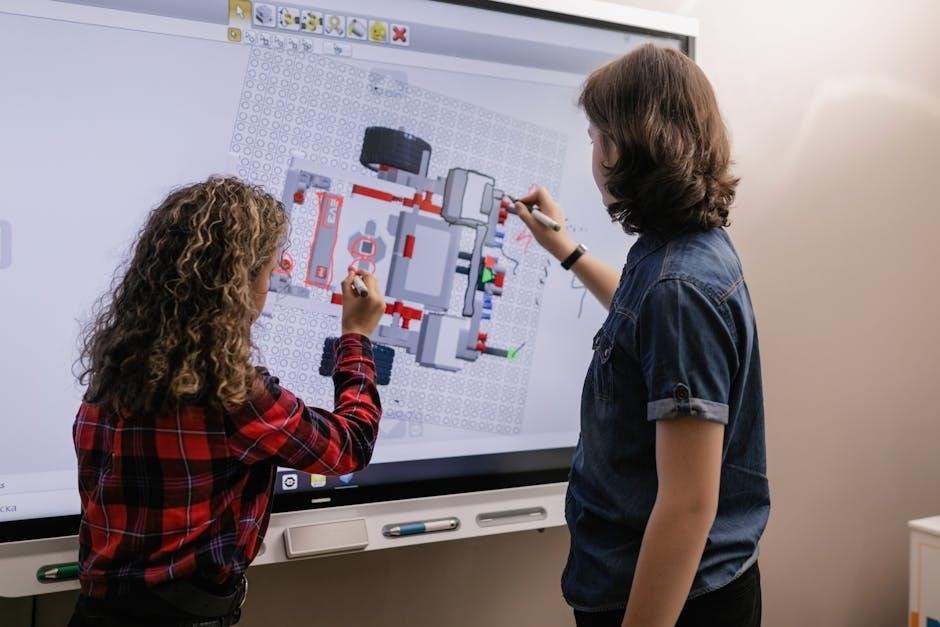
Becoming an aide offers valuable experience in education, skill development, and a potential pathway to a teaching career, providing a realistic classroom perspective.
Gaining Experience in Education
For aspiring educators, a role as an instructional aide provides an invaluable “foot in the door” and a unique opportunity to observe and participate in the educational environment firsthand. Many individuals find they’ve forgotten the realities of a school setting by the time they begin teacher training; this position bridges that gap.
You’ll gain practical experience with lesson implementation, classroom dynamics, and student interaction – all crucial components of effective teaching. It’s a chance to test the waters and confirm if a career in education truly aligns with your passions and strengths, without the full responsibility of a lead teacher. This immersive experience allows for a deeper understanding of the challenges and rewards inherent in the profession, building a solid foundation for future success.
Furthermore, the constant exposure to new problems and evolving roles, often due to staffing issues, fosters adaptability and problem-solving skills – qualities highly valued in educators.
Developing Relevant Skills
The instructional aide role cultivates a diverse skillset directly transferable to a teaching career and beyond. You’ll hone your abilities in student support, assisting with assignments, and reinforcing concepts – essential for differentiated instruction. Practical tasks like grading papers and preparing materials build organizational and time-management proficiency.
Furthermore, you’ll develop strong communication and interpersonal skills through interactions with students, teachers, and potentially parents. Navigating classroom dynamics and maintaining order requires patience, conflict resolution, and classroom management techniques. The need to quickly adapt to changing situations and ill-defined roles fosters resourcefulness and problem-solving capabilities.
Even seemingly minor duties, like running errands or attending staff meetings, contribute to a broader understanding of school operations and professional collaboration.
A Stepping Stone to a Teaching Career
For aspiring educators, an instructional aide position offers invaluable, hands-on experience. It’s a chance to “get a taste” of the classroom environment, bridging the gap between theoretical knowledge and practical application – especially helpful if you’ve been out of school. You’ll observe teaching styles, learn classroom management strategies, and understand the daily realities of a teacher’s workload.
This role allows you to build relationships with teachers and administrators, potentially leading to mentorship opportunities and letters of recommendation. While contracts can be uncertain due to funding fluctuations, the experience gained is a significant asset when applying for teacher training programs or full-time teaching positions.
It’s a proactive way to develop relevant skills and knowledge, making you a more competitive candidate in the long run.