Peptide Dosage Guide: A Comprehensive Overview (Updated 04/07/2026)
Navigating the realm of peptide therapy requires a nuanced understanding of dosage‚ influenced by market trends and formulation strategies‚ ensuring optimal biological effects and safety;
Peptide therapy represents a rapidly evolving field within regenerative medicine‚ harnessing the power of short amino acid chains to influence various physiological processes. This therapeutic approach is gaining prominence due to the potential to address a wide range of health concerns‚ from age-related decline to specific medical conditions. Understanding the intricacies of peptide dosage is paramount for maximizing benefits and minimizing potential risks.
The growing peptide therapeutics market‚ as highlighted in recent reports‚ signifies increased research and development‚ leading to a broader availability of peptide options. However‚ this expansion also underscores the need for comprehensive guidance on appropriate usage. Peptides‚ being smaller than proteins‚ exhibit unique characteristics impacting their delivery and effectiveness. Careful consideration of formulation – whether oral‚ subcutaneous‚ or intramuscular – is crucial‚ alongside factors like arginate versus acetate forms‚ to determine the correct dosage for individual needs. Sterile preparation is also vital to avoid infection.
What are Peptides?
Peptides are short chains of amino acids‚ the building blocks of proteins‚ and play crucial roles in cellular communication within the body. Unlike their larger protein counterparts‚ peptides typically consist of 2 to 50 amino acids‚ allowing for greater specificity in their biological actions. Many hormones naturally present in the human body are peptide-based‚ demonstrating their inherent regulatory functions.
These potent molecules can influence diverse processes‚ including immune modulation‚ tissue repair‚ and metabolic regulation. The therapeutic potential of peptides lies in their ability to selectively target specific receptors and pathways. However‚ their smaller size also impacts their stability and bioavailability‚ necessitating careful consideration when determining appropriate dosages. Understanding the fundamental nature of peptides – their composition and function – is essential for navigating the complexities of peptide therapy and ensuring safe‚ effective application‚ especially given the expanding market.
Peptide vs. Protein: Understanding the Difference
While both peptides and proteins are composed of amino acids‚ a key distinction lies in their size and complexity. Proteins are large molecules consisting of long chains of amino acids – typically exceeding 50 – folded into intricate three-dimensional structures. Peptides‚ conversely‚ are shorter amino acid sequences‚ generally containing fewer than 50 amino acids.
This size difference significantly impacts their behavior within the body. Proteins often require digestion into smaller peptides to be absorbed‚ while peptides can sometimes be absorbed directly. The differing structures also influence their stability and how they interact with biological systems. Dosage considerations must reflect these distinctions; proteins often require larger administrations due to metabolic breakdown‚ whereas peptide dosages are typically smaller‚ focusing on targeted receptor activation. Recognizing this fundamental difference is crucial for effective peptide therapy.
The Growing Peptide Therapeutics Market
The global peptide therapeutics market is experiencing substantial expansion‚ driven by increasing research and development‚ and a growing understanding of peptide functionality. Recent reports‚ like the one from ResearchAndMarkets.com‚ highlight significant growth projections through 2029‚ fueled by advancements in drug discovery and a rising prevalence of chronic diseases.
This market growth directly impacts peptide dosage considerations. As more peptide-based therapies become available‚ a greater need arises for standardized dosage guidelines and personalized treatment approaches. The increasing demand necessitates rigorous clinical trials to establish optimal dosages for various applications. Furthermore‚ the market’s evolution influences formulation techniques‚ impacting bioavailability and‚ consequently‚ dosage requirements. Understanding this dynamic landscape is vital for informed peptide therapy.
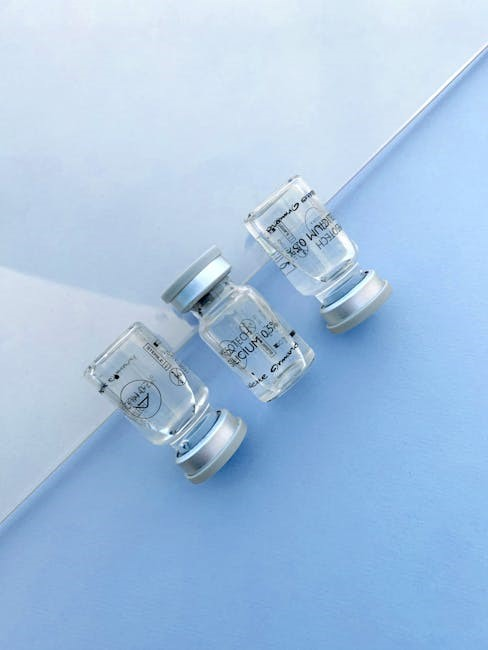
Factors Influencing Peptide Dosage
Determining effective peptide dosages necessitates considering individual biometrics‚ peptide characteristics‚ administration routes‚ and formulation types for optimal therapeutic outcomes.
Body Weight & Dosage Correlation
Establishing a clear correlation between body weight and peptide dosage is fundamental‚ though not always linear. Generally‚ dosage calculations often begin with a base amount per kilogram of body weight‚ but this serves merely as a starting point. Individuals with higher body mass may require proportionally larger doses to achieve comparable therapeutic concentrations‚ accounting for increased volume of distribution. However‚ simply scaling dosage based on weight can be misleading.
Factors like body composition – lean muscle mass versus body fat – significantly impact peptide bioavailability and receptor binding. A more accurate approach involves considering ideal body weight or adjusted body weight‚ particularly in obese individuals. Furthermore‚ metabolic rate and individual variations in peptide metabolism play crucial roles. Therefore‚ careful monitoring and individualized adjustments are essential to optimize dosage based on clinical response and minimize potential adverse effects. It’s a complex interplay‚ demanding personalized assessment.
Individual Sensitivity & Tolerance
Peptide therapy isn’t a one-size-fits-all endeavor; individual sensitivity and tolerance levels vary dramatically. Genetic predispositions‚ pre-existing medical conditions‚ concurrent medications‚ and even lifestyle factors all contribute to how a person responds to a specific peptide and dosage. Some individuals may experience noticeable effects at relatively low doses‚ while others require higher amounts to achieve the desired outcome.
Assessing tolerance involves starting with a conservative dose and gradually increasing it while closely monitoring for any adverse reactions. Paying attention to subtle changes in physiological parameters and subjective well-being is crucial. It’s vital to remember that individual responses can change over time‚ necessitating ongoing adjustments. Prioritizing patient feedback and employing a cautious‚ incremental approach are paramount to ensuring both efficacy and safety throughout the therapeutic process.
Peptide Purity & Quality
The efficacy and safety of peptide therapy are inextricably linked to the purity and quality of the peptide itself. Variations in manufacturing processes can lead to impurities‚ including truncated peptides‚ aggregates‚ or residual solvents‚ which can significantly alter the therapeutic effect and potentially induce adverse reactions. Sourcing peptides from reputable suppliers who adhere to stringent quality control standards is absolutely essential.
Look for peptides accompanied by independent third-party lab testing verifying their purity – typically exceeding 98% – and confirming the absence of contaminants. Proper storage and handling are also critical to maintain peptide integrity. Compromised quality not only diminishes the intended benefits but also introduces unnecessary risks‚ highlighting the importance of prioritizing pharmaceutical-grade peptides for optimal therapeutic outcomes.
Route of Administration & Bioavailability
The method of peptide delivery profoundly impacts its bioavailability – the extent to which it reaches systemic circulation to exert its effects. Subcutaneous and intramuscular injections are common routes‚ offering relatively good absorption‚ though rates vary based on individual factors and peptide characteristics. Oral administration presents a significant challenge due to peptide degradation in the gastrointestinal tract‚ necessitating specialized formulations to enhance absorption.
Bioavailability dictates the dosage required to achieve a desired therapeutic response. Peptides with low bioavailability may necessitate higher doses‚ while those with improved absorption can be administered at lower levels. Sterile preparation is paramount‚ regardless of the route‚ to prevent infection. Understanding these nuances is crucial for tailoring peptide therapy to individual needs and maximizing its effectiveness.
Common Peptide Dosage Ranges (By Peptide Type)
Specific peptide protocols vary widely; BPC-157‚ CJC-1295‚ Sermorelin‚ Tesamorelin‚ and AOD9604 each require individualized dosage adjustments based on clinical goals.
BPC-157 Dosage Guidelines
BPC-157‚ a synthetic peptide fragment‚ demonstrates remarkable healing properties‚ prompting diverse dosage approaches. Typically‚ dosages range from 50mcg to 200mcg daily‚ often administered via subcutaneous injection. Many users opt for a bi-daily schedule‚ splitting the total daily dose into two equal administrations. Oral bioavailability is limited‚ necessitating higher doses – often encapsulated in liposomal formulations to enhance absorption‚ with suggested doses ranging from 25mg to 100mg daily.
However‚ a 2026 consumer guide highlights the importance of considering arginate versus acetate formulations‚ potentially influencing dosage requirements. Initial cycles often begin at the lower end of the range‚ gradually increasing based on individual response and tolerance. It’s crucial to emphasize that these are general guidelines; personalized adjustments‚ guided by a healthcare professional‚ are paramount for optimal therapeutic outcomes and minimizing potential adverse effects. Consistent monitoring is key throughout the treatment period.
CJC-1295 with Ipamorelin Dosage
The combination of CJC-1295 and Ipamorelin is a popular strategy for stimulating growth hormone release‚ requiring careful dosage consideration. CJC-1295‚ a growth hormone-releasing hormone (GHRH) analog‚ is typically administered at 100mcg to 300mcg weekly‚ often split into two or three subcutaneous injections. Ipamorelin‚ a potent ghrelin receptor agonist‚ complements CJC-1295‚ usually dosed at 200mcg to 300mcg per injection‚ administered 1-3 times daily.
The synergistic effect necessitates a balanced approach. Many protocols involve a weekly CJC-1295 injection coupled with daily Ipamorelin administrations. Individual responses vary‚ and adjustments may be needed based on hormone level monitoring. Sterile preparation is vital to avoid infection‚ as emphasized by medical professionals. Consultation with a healthcare provider is crucial to determine the appropriate dosage regimen and monitor for potential side effects‚ ensuring safe and effective therapy.
Sermorelin Dosage Recommendations
Sermorelin‚ a growth hormone-releasing hormone (GHRH)‚ is utilized to stimulate natural growth hormone production‚ demanding precise dosage protocols. Typical Sermorelin dosages range from 0.25mg to 1.0mg‚ administered via subcutaneous injection‚ usually before bedtime to align with the body’s natural growth hormone release cycle. Dosage frequency varies‚ commonly ranging from daily to several times per week‚ tailored to individual needs and responses.
Initial dosages often start lower‚ gradually increasing based on monitoring of growth hormone levels and individual tolerance. Maintaining sterile preparation is paramount to mitigate infection risks‚ a critical concern highlighted by healthcare experts. Regular monitoring for adverse reactions and consultation with a qualified healthcare professional are essential for safe and effective Sermorelin therapy‚ optimizing results and minimizing potential complications.
Tesamorelin Dosage Information
Tesamorelin‚ a growth hormone-releasing hormone analog‚ is primarily used to reduce excess visceral adipose tissue in HIV-infected patients. Standard Tesamorelin dosages typically fall between 2.0mg and 2.16mg‚ administered via subcutaneous injection daily. Dosage adjustments are rarely needed‚ as the fixed dose has demonstrated efficacy in clinical trials targeting lipodystrophy.
However‚ individual responses can vary‚ necessitating careful monitoring by a healthcare professional. Maintaining strict sterile preparation protocols is crucial to prevent potential infections‚ a significant safety consideration. Patients should be closely observed for any adverse reactions‚ and open communication with their physician is vital. The growing peptide therapeutics market emphasizes the importance of informed usage and professional guidance for optimal outcomes and minimized risks.
AOD9604 Dosage Protocol
AOD9604‚ a modified form of human growth hormone‚ aims to promote fat loss without the typical growth hormone-related side effects. Dosage protocols for AOD9604 generally range from 50-150 mcg per day‚ administered subcutaneously. Many users opt for daily injections‚ while others prefer splitting the dose into multiple smaller administrations throughout the day to maintain consistent blood levels.
The specific dosage should be tailored based on individual factors like body weight‚ metabolism‚ and desired outcomes. Peptide purity and quality are paramount‚ as inconsistencies can affect efficacy. Like all peptide therapies‚ sterile preparation is non-negotiable to avoid infection risks. Careful monitoring for adverse reactions and consultation with a healthcare professional are essential components of a safe and effective AOD9604 regimen.

Peptide Formulations & Dosage Adjustments
Formulation impacts bioavailability; oral peptides require higher doses than subcutaneous or intramuscular routes‚ necessitating careful adjustments for optimal therapeutic effects.
Oral Peptide Dosage Considerations
Administering peptides orally presents unique challenges due to the digestive system’s enzymatic breakdown and limited absorption. Consequently‚ significantly higher dosages are typically required compared to injectable routes to achieve comparable bioavailability. The integrity of the peptide structure is paramount; specialized formulations‚ like liposomal encapsulation‚ aim to protect peptides from degradation during transit through the gastrointestinal tract.
However‚ even with advanced delivery systems‚ oral bioavailability remains substantially lower. A 2026 consumer guide highlights the importance of understanding arginate versus acetate formulations‚ as these can influence absorption rates. Patients should be aware that consistent‚ frequent dosing may be necessary to maintain therapeutic levels. Furthermore‚ individual factors‚ such as gut health and enzyme activity‚ can further impact absorption‚ necessitating personalized dosage adjustments guided by a healthcare professional. Careful monitoring for efficacy and potential side effects is crucial when utilizing oral peptide administration.
Subcutaneous Peptide Dosage
Subcutaneous (SC) injection is a common and generally well-tolerated method for peptide administration‚ offering a balance between bioavailability and convenience. This route bypasses the first-pass metabolism in the liver‚ resulting in a more predictable systemic exposure compared to oral ingestion. Dosage recommendations vary significantly based on the specific peptide‚ individual factors‚ and desired therapeutic effect.
Typically‚ SC dosages are lower than those required for oral administration‚ but higher than those used for intramuscular injections. Sterile preparation is absolutely critical to minimize the risk of infection‚ as highlighted by medical professionals. Injection sites should be rotated to prevent lipohypertrophy. Monitoring for localized reactions‚ such as redness or swelling‚ is also important. Individual sensitivity and tolerance should guide dosage adjustments‚ always under the supervision of a qualified healthcare provider to ensure both efficacy and safety.
Intramuscular Peptide Dosage
Intramuscular (IM) injection provides another viable route for peptide delivery‚ often characterized by slower absorption rates compared to subcutaneous administration. This slower release can potentially lead to a more sustained therapeutic effect for certain peptides. However‚ IM injections generally require larger volumes and can be more uncomfortable for the patient. Dosage adjustments are crucial‚ often necessitating higher doses than subcutaneous routes to achieve comparable bioavailability.
Sterile technique remains paramount to prevent infection‚ a concern emphasized by healthcare experts. Proper injection technique‚ targeting muscle tissue‚ is essential for optimal absorption. As with all peptide therapies‚ individual responses vary‚ and careful monitoring for adverse reactions is vital. Healthcare professional guidance is indispensable for determining appropriate IM dosages‚ considering peptide-specific properties and patient-specific factors‚ ensuring both effectiveness and minimizing potential risks.
Peptide Arginate vs. Acetate: Dosage Implications
The counterion attached to a peptide – typically arginate or acetate – significantly impacts its solubility‚ stability‚ and ultimately‚ its dosage requirements. Arginate salts generally exhibit enhanced solubility in water‚ potentially leading to improved absorption and bioavailability compared to acetate salts. However‚ this increased solubility can also translate to a faster clearance rate from the body.
Consequently‚ peptides formulated as arginate salts often necessitate higher dosages or more frequent administrations to maintain therapeutic levels. Conversely‚ acetate salts‚ with their lower solubility‚ may require lower initial doses but could present challenges in achieving adequate systemic exposure. A 2026 consumer guide highlights this distinction‚ particularly for BPC-157. Careful consideration of these factors‚ alongside individual patient responses‚ is crucial for optimizing peptide therapy and ensuring desired clinical outcomes.

Safety Considerations & Potential Side Effects
Maintaining sterile preparation is paramount‚ as improper handling introduces infection risks; monitoring for adverse reactions and consulting healthcare professionals are vitally important safeguards.
Importance of Sterile Preparation
The integrity of peptide therapy hinges critically on meticulous sterile preparation techniques. Introducing bacteria or contaminants during reconstitution or administration can lead to severe‚ potentially life-threatening infections. Dr. McGuire emphasizes the real risk of infection if vials aren’t prepared correctly and maintained in a sterile environment.

This necessitates utilizing sterile water for injection (SWI)‚ employing sterile syringes and needles‚ and adhering to strict aseptic protocols throughout the entire process. Surfaces should be thoroughly disinfected‚ and proper hand hygiene is non-negotiable.
Compromised sterility not only jeopardizes patient safety but also invalidates the therapeutic benefits of the peptide itself. Therefore‚ individuals considering peptide therapy must prioritize sterile practices or seek administration from qualified healthcare professionals experienced in sterile compounding.
Monitoring for Adverse Reactions
Vigilant monitoring for adverse reactions is paramount throughout peptide therapy. While generally considered safe when administered correctly‚ peptides can elicit individual responses ranging from mild discomfort to more significant side effects. Careful self-assessment and open communication with a healthcare provider are crucial.
Commonly reported reactions may include localized injection site reactions (redness‚ swelling‚ pain)‚ flu-like symptoms‚ or gastrointestinal disturbances. More serious‚ though less frequent‚ reactions require immediate medical attention.
Regularly tracking any changes in physical or mental well-being allows for prompt identification of potential issues. Maintaining a detailed log of dosage‚ timing‚ and any observed effects aids in personalized dosage adjustments and ensures a safe and effective therapeutic experience.
Potential Risks of Incorrect Dosage
Administering incorrect peptide dosages carries inherent risks‚ potentially compromising therapeutic benefits and introducing adverse effects. Both underdosing and overdosing can disrupt the delicate hormonal and physiological balance peptides aim to modulate.
Insufficient dosage may yield negligible results‚ rendering the therapy ineffective and potentially delaying appropriate treatment. Conversely‚ exceeding recommended dosages can amplify side effects‚ increasing the likelihood of unwanted reactions and potentially causing long-term health complications.
Furthermore‚ improper preparation and non-sterile conditions‚ as highlighted by experts‚ significantly elevate the risk of infection. Therefore‚ precise adherence to prescribed dosages and sterile handling protocols is non-negotiable for safe and successful peptide therapy.
Consulting with a Healthcare Professional
Embarking on peptide therapy necessitates a collaborative approach with a qualified healthcare professional. Self-administration and arbitrary dosage adjustments are strongly discouraged due to the complex nature of these compounds and individual physiological variations.
A knowledgeable physician can meticulously assess your health status‚ identify potential contraindications‚ and formulate a personalized dosage regimen tailored to your specific needs and goals. They will also monitor for adverse reactions and adjust the protocol as needed‚ ensuring both efficacy and safety.
Open communication with your healthcare provider is paramount‚ allowing for informed decision-making and proactive management of any potential risks. Their expertise is crucial for navigating the evolving landscape of peptide therapeutics and optimizing your treatment journey.
Future Trends in Peptide Dosage Research
Personalized peptide therapy and advanced delivery systems are poised to revolutionize dosage strategies‚ maximizing efficacy and minimizing side effects for each individual.
Personalized Peptide Therapy
The future of peptide dosage lies in tailoring treatments to the individual‚ moving beyond standardized protocols. Factors like genetic predispositions‚ gut microbiome composition‚ and real-time biomarker monitoring will play crucial roles. Advanced diagnostics will help determine optimal starting doses and adjust them dynamically based on a patient’s unique response. This approach acknowledges the significant variability in individual sensitivity and tolerance‚ ensuring maximized therapeutic benefits while minimizing potential adverse reactions.
Furthermore‚ sophisticated algorithms and machine learning models will analyze vast datasets to predict individual responses to different peptide dosages and formulations. This predictive capability will enable healthcare professionals to prescribe highly personalized regimens‚ optimizing treatment outcomes and enhancing patient safety. Ultimately‚ personalized peptide therapy represents a paradigm shift towards precision medicine‚ delivering targeted and effective interventions.
Advanced Delivery Systems
Current peptide administration methods‚ like injections‚ often face limitations in bioavailability and patient compliance. Innovative delivery systems are emerging to overcome these challenges‚ significantly impacting dosage requirements. These include targeted nanoparticles‚ microneedle patches‚ and oral formulations utilizing absorption enhancers. Nanoparticles can encapsulate peptides‚ protecting them from degradation and delivering them directly to target tissues‚ potentially reducing the necessary dosage.
Microneedle patches offer a painless‚ minimally invasive alternative to injections‚ enhancing absorption through the skin. Furthermore‚ advancements in oral peptide delivery are focused on overcoming the digestive barrier‚ allowing for convenient and cost-effective administration. These systems promise improved bioavailability‚ reduced dosing frequency‚ and enhanced patient adherence‚ revolutionizing peptide therapy.